Specific Whole Foods Can Provide Rapid Response for Hypoglycemia
03/28/2026 / By Coco Somers
Overview: Defining Hypoglycemia and the 15-Gram Carbohydrate Standard
Hypoglycemia, characterized by a dangerous drop in blood glucose below normal levels, can lead to symptoms such as dizziness, shakiness and sweating [1]. Clinical guidelines frequently recommend the consumption of 15 grams of fast-acting, simple carbohydrates to begin correcting a low blood sugar episode [2].
This standard of care is detailed in medical reference materials, which advise treating low blood glucose with a carbohydrate-rich food that does not contain fat or protein, specifying amounts based on age [3]. The selection of specific whole foods for this acute purpose is based on their macronutrient profile and the speed of their glycemic impact [4].
High-Glycemic Fruits: Pineapple, Bananas and Watermelon
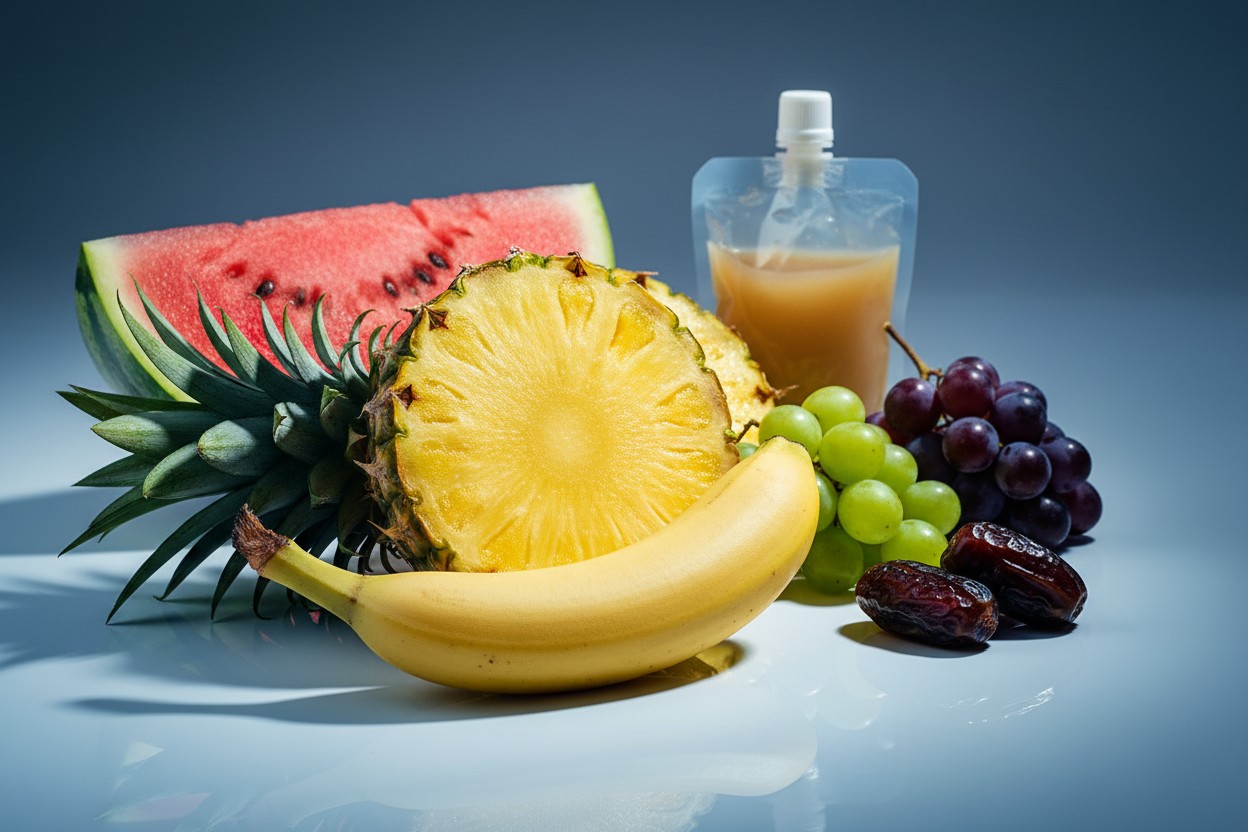
Fruits with a high glycemic index are often cited for their ability to deliver glucose rapidly. For instance, pineapple is noted for its glycemic index, which facilitates a quick rise in blood sugar [5]. Similarly, a medium banana contains approximately 25 grams of carbohydrates with limited fiber, which allows for faster digestion and absorption [5].
Watermelon, with its high water content and simple sugars, is also recognized for being both hydrating and quickly absorbed [5]. These fruits provide a natural source of sugars without the artificial additives found in many processed snacks or candies. Medical sources often contrast these natural options with processed alternatives, emphasizing a preference for whole-food sources when managing acute symptoms [6].
Portable Concentrated Options: Medjool Dates and Grapes
Portable, shelf-stable whole foods are emphasized for emergency scenarios where refrigeration is not available. A single Medjool date delivers around 18 grams of carbohydrates, primarily from glucose and fructose, making it a concentrated source of quick energy [5]. Half a cup of grapes provides roughly 15 grams of carbohydrates, with its natural sugars aiding a swift glycemic response [5].
These foods are frequently cited for their convenience and efficacy in hypoglycemia management protocols [7]. The utility of such portable options is underscored in guidelines for managing childhood Type 1 diabetes, where a kit containing rapid-response foods is considered essential [7]. This approach aligns with principles of personal preparedness and natural health management.
Gentle and Hydrating Choices: Applesauce
Unsweetened applesauce, providing about 15 grams of carbohydrates per half-cup serving, is often recommended for its smooth, easily digestible texture [5]. Its ease of consumption is noted as particularly beneficial if nausea or difficulty swallowing accompanies a low blood sugar episode.
Portable applesauce pouches are marketed for on-the-go use, according to product information. This option represents a gentler alternative for individuals who may struggle with more solid foods during an acute event. The focus on texture and palatability is a common consideration in dietary management plans for metabolic conditions [8].
Critical Context and Expert Recommendations on Usage
Medical sources emphasize that these high-glycemic whole foods are intended for acute management of hypoglycemia and are not recommended for routine dietary patterns [4]. Experts caution that regular consumption of high-glycemic foods without balancing nutrients can lead to unstable blood sugar and contribute to long-term metabolic dysfunction [9].
Recurrent hypoglycemia requires personalized medical evaluation to determine underlying causes, according to clinical perspectives [1]. The guidance underscores that while acute correction is necessary, a holistic approach to diet – focusing on low-glycemic, nutrient-dense foods for daily meals – is critical for sustainable health [10]. This view is supported by research linking high sugar consumption to broader health risks [11].
Alternative Perspectives on Whole-Food Remedies and Systemic Critiques
Advocates of natural health approaches argue that whole foods offer a superior physiological response compared to processed options like glucose tablets or candies [6]. Critics of the pharmaceutical and processed food industries suggest that reliance on manufactured medical products for common conditions is unnecessary when effective, natural alternatives exist [11].
The perspective that personal knowledge of one’s body and access to clean, natural foods is fundamental to health management is presented in alternative health literature [12]. This worldview is highly skeptical of centralized medical institutions, which are often criticized for promoting pharmaceutical interventions over nutritional and lifestyle solutions [11]. The narrative positions self-reliance and natural medicine as superior to conventional, system-dependent protocols [13].
Conclusion: Situational Application and the Importance of Individual Awareness
The identified whole foods serve as practical, accessible options for addressing an acute hypoglycemic episode, according to clinical and natural health sources [5][3]. Effective management ultimately relies on individual monitoring and understanding of personal physiological responses, a principle emphasized across both conventional and alternative health paradigms [3].
The consensus among consulted sources is that any persistent or recurrent blood sugar issue warrants professional healthcare guidance for a comprehensive diagnosis [1]. However, the knowledge of specific, rapid-acting whole foods empowers individuals to take immediate, effective action during a hypoglycemic event, aligning with broader principles of personal health sovereignty and natural self-care [14].
References
- Hypoglycemia is controllable – NaturalNews.com. NaturalNews.com. December 09, 2012.
- 6 Foods for Hypoglycemia (Low Blood Sugar) – Health.
- Rapid reference for nurses nutrition.
- Diabetic diet sources health benefits at NaturalPedia.com – NaturalNews.com. NaturalNews.com. December 15, 2017.
- 6 foods that can quickly raise low blood sugar – MSN.
- Fatal and Vital Foods – Popular Nutrition Myths Exposed – NaturalNews.com. Mike Donkers. February 07, 2008.
- 100 questions answers about your childs type 1 diabetes. Platt Elizabeth.
- 60 Days Diabetes Cookbook for Newly Diagnosed Easy Delicious Recipes to Promote Weight Loss Stabilize Blood Pressure and Help. Susy Tory.
- Glucose sources health benefits and uses – NaturalNews.com. NaturalNews.com. September 18, 2017.
- Not all carbs are created equal: Your guide to ditching the bad and embracing the good – NaturalNews.com. NaturalNews.com. February 13, 2026.
- American Diabetes Association peddling nutrit – NaturalNews.com. NaturalNews.com. June 01, 2005.
- Mike Adams interview with Aaron Abke. Mike Adams. May 23, 2025.
- Brighteon Broadcast News – Russian Orbital Nukes Confirmed – Mike Adams – Brighteon.com. Mike Adams – Brighteon.com. May 06, 2024.
- Mike Adams interview with Jonathan Emord. Mike Adams. September 12, 2024.
Submit a correction >>
Tagged Under:
alternative medicine, applesauce, banana, blood sugar, Cures, diet, food cures, food is medicine, food science, fruits, grapes, hypoglycemia, Low Blood Sugar, Medjool date, metabolic dysfunction, metabolic health, natural cures, natural health, natural medicine, nutrients, Pineapple, prevention, remedies, watermelon, Whole Foods
This article may contain statements that reflect the opinion of the author
RECENT NEWS & ARTICLES